Showing posts with label Diabetes. Show all posts

Monday, December 9, 2013

Philippine Medicinal Plant: Mahogany

Mahogany (Swietenia macrophylia)

        This is a more or less deciduous, erect tree growing up to 10 m or more in height, with a heavy, dark green dense crown. it sheds its leaves during summer. the trunk is more or less buttressed. the bark is dark grey and ridged. the leaves are alternate, smooth (with the upper portion shiny, brownish, or purplish), compound and about 15 cm long, comprising 3-6 pairs of leaflets.
Philippine Medicinal Plant: Mahogany

Medicinal value

- A decoction of the bark may serve as an antipyretic (reduces fever)
- It may serve also as an astringent
- It is also used as a tonic (increases body tone)
- It is suspected that in Africa , it is used as treatment for colon cancer.
- In Malaysia the seeds are chewed, or swallowed in powder form to treat high blood pressure.
- In India it is used to treat diabetes and diarrhoea
- In Indonesia a decoction of the seeds is given against malaria.

             In clinical trials the leaves have been found to have anti-diabetic properties and to have anti-diabetic properties and to have anti-inflammatory properties as well as the potential to help against hepatitis C, anti-bacterial and anti-microbial properties.

Source


Saturday, November 30, 2013

Philippine Medicinal Plant: Cucumber

10 Medicinal Plant Uses of Cucumber  or Cucumis sativus also known as Pipino.

                                               Medicinal Plant Uses: Cucumber

1. A good source of vitamin B. it is also good as antioxidant and anti inflammatory properties

2. Cucumber are 95% water keeping the body hydrated while helping the body eliminates toxins.

3. The cucumber skin can be used for skin irritations and sunburns. Due to the large amount of ascorbic acid in cucumbers when they are placed under the eyes for 20 minutes they can decrease water retention and thus reduce puffiness overall. The cooling effect of cucumber is a natural and gentle way to soothe your skin and speed up the healing process.

4. Cucumber are known to contain lariciresinols, pinoresinols, and secoisolaric iresinol known to reduce risk of several cancer types and cardiovascular diseases.

5. Cucumber relieves bad breath. take a slice of cucumber and press it to the roof of your mouth with your tongue for 30 seconds, the phytochemicals will kill the bacteria in your mouth.

6. Cucumber helps reduce hangover and headaches. eat a few cucumber slices before going to bed. cucumbers contain enough sugar, B vitamins and electrolytes.

Medicinal Plant: Cucumber

7. Cucumber aids in weight loss and digestion. the high water content and dietary fiber in cucumber are very effective in ridding the body of toxins from digestive system, aiding digestion.

8. Cures diabetes, reduce cholesterol and controls blood pressure. cucumber contains a hormone which is needed by the cells of the pancreas for producing insulin which has been found to be beneficial to diabetic patients. compound called sterols in cucumber may help reduce cholesterol levels. cucumbers contain a lot of potassium, magnesium and fiber.

9. Promotes joint health, relieves gout and arthritis. Cucumber is an excellent source of silica, which is known to help promotes joint health by strengthening the connective tissues. They are also rich in vitamin A, B1, B6, C & D, Folate, Calcium, Magnesium, and Potassium. When mixed with carrot juice, they can relieve gout and arthritis pain by lowering the uric acid levels

10. Improves complexion. when cucumber juice is mixed with a few drops of fresh lemon juice and applied as a facial mask it has the ability to leave your skin glowing by fading scars and pigmentation.

Source 1
Source 2
Source 3

Friday, March 9, 2012

Medicinal Plant: Dragon Fruit

This is a vining terrestrial or epiphytic cactus with succulent three-winged, green stems, reaching up to 20 feet long. Plants may climb trees via aerial roots. Flowers are fragrant, white, up to 35cm long, blooming at night. Fruit is round, red, pink or yellow, with prominent scales.

Dragon fruit is rich in vitamin C (where it boosts the immune system), phosphorus and calcium. Dragon fruit is believed to have some health benefits that includes preventing memoryloss, anti-cancer activity, control of blood glucose level in diabetes, anti-oxidant properties, aids in healing wounds and others.

Medicinal Plant: Dragon fruit

Dragon fruit is rich in fiber which aids in the digestion of food and promotes the growth of probiotics. Dragon fruit help lower blood glucose levels in type 2 diabetes.

Dragon fruit prevents formation of cancer causing free radicals. Dragon fruit is rich in minerals and fibers that aids in digestion, cleans toxic ingredients thus preventing the occurrence of colon cancer.

Monday, March 5, 2012

Medicinal plant: Ampalaya

Ampalaya has an english name of African cucumber, Tuberculaated momordica, balsam apple or bitter gourd. But in the Philippines it is called ampalaya.

This is a climbing vine, nearly or quite smooth, annual vine. Fruit is green, fleshly, oblong, cylindrical, 15-16cm long, pointed at both ends, ribbed and wrinkled, bursting when mature to release seeds.

Medicinal Plant: Ampalaya

This is a very common vegetable in the Philippines.It is considered as astringent, antidiabetic, abortifacient, antirheumatic, contraceptive, galactagogue, parasiticide, anthelmintic, etc.This medicinal plant plant is a good source of Vitamin B, Iron, calcium and Phosporus. It has twice the amount of beta carotene in broccoli and twice the calcium content in spinach.

This medicinal plant is usually used as antidiabetic, chronic stomach ulcers. Infusion of flowers used for asthma.

The Ampalaya contains a hypoglycemic polypeptide, a plant insulin responsible for its blood sugar lowering effect. It is increasingly recommended as an adjunct or supplement to traditional therapeutic regimens for diabetes mellitus.

Wednesday, May 18, 2011

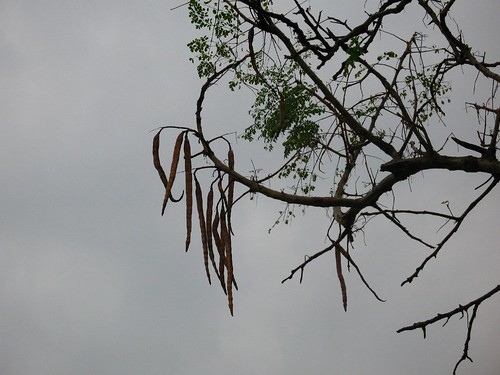
Medicinal Plant: Drumstick (Moringa oleifera Lam.)


Names: Malunggay, horseradish tree, drumstick tree, and dool in some regions.


This medicinal plant, the malunggay plant, which belongs to the Moringaceae family, can grow as high as nine meters.It is rich in vitamins A, B & C, minerals such as iron and amino acids.

The leaves of this herbal plant proved to be a good source of calcium, iron, ascorbic acid and phosphorus. The other parts of this herbal plant such as the seeds, the young pods, and the flowers have been established to benefit individuals as far as anti-oxidant, anti-diabetic, circulatory stimulations. Malunggay can be used to lower blood pressure, aid in pains caused by rheumatism, headaches and migraines, as well as its being an anti-tumor plant. Malunggay is also used for purgative and anti-fungal purposes,

How to use (JC Kurian, 2010):
  • The bark of the root promotes the flow of urine.
  • A hot decoction of the bark is used to foment inflamed parts
  • The juice of the root-bark is used in earaches.
  • A few drops of the juice of the root-bark are placed in the cavity to relieve toothache.
  • The bark of the stem is used as a cardiac stimulant in asthma, cough and other respiratory disorders.
  • The young leaves are cooked and eaten to fight scurvy.
  • The poultice of the leaves is applied in wounds and swellings
  • The juice of the leaves, mixed with honey is used for the treatment of eye diseases.
  • Oil extracted from the seeds is locally applied for painful gout and rheumatic joi

Tuesday, May 17, 2011

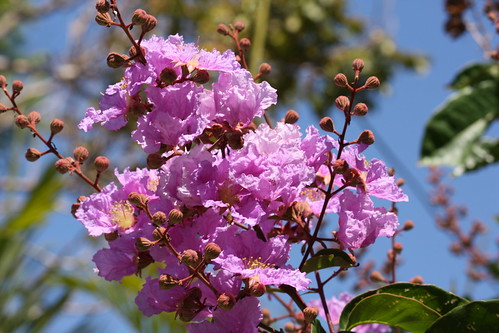
Philippine Medicinal Plant: Banaba (Lagerstroemia speciosa)


Name: Banaba, Queen Carpe Myrtle, Pide of India

Banaba has been used in Filipino folkloric he
rbal medicine for the treatment of diabetes for centuries.it grows all over the Philippines. Thie medicinal plant: Banaba has also been used to cure diabetes in Ayurvedic medicine for a long time.


It contains an active ingredient, corosolic acid is a potent compound that has insulin like effect to lower glucose in the body and is effective in treating diabetes. Banaba is rapidly becoming known as a natural plant insulin, and what makes it ideal is that, the herbal preparation may also be taken orally, without any risk of adverse side effects.

Medicinal Uses of Banaba

• Diabetes
• Fights obesity
• Helps regulate blood pressure
• Good for the kidneys
• Aids the digestive system
• Helps ease urination

Banaba Preparation & Use:

Almost all parts of this medicinal plant can be used: Fresh leaves, dried leaves, flowers, ripe fruit, root and bark of Banaba can all be used.
• Wash the leaves in running water (if fresh). Cut into smaller pieces if desired.
• Boil Banaba (one cup Banaba to cup of water) for 30 minutes. Drink like tea.

Sunday, May 15, 2011

Medicinal Plant: Guava Tree (Psidium guajava Linn.)


It belongs to family Myrtaceae. A tropical and semi-tropical plant. It grows to a height of 7.5 meters with a trunk girth of about 30-90 cm. The leaves are 10-15 cm long, oblong and entire with lateral nerves. The white flowers found in the axils are 2.5-3.5 cm in diameter. the ripe guava is rich in vitamin C and fiber. Almost all of the parts of this medicinal plant have medicinal qualities and value, and thus, making it as one of the most popular therapeutic plants in the Philippines.

Medicinal Plant : Guava fruit
Medicinal Uses:
  • Gastroenteritis or inflammation of the stomach and intestine, uterine haemorrhage or heavy bleeding, chronic diarrhoea and oedema.
  • Dysentery, inflammation of the kidney, and diarrhoea
  • Ulcers, vaginal and uterine problems, and cuts
  • Spasms, fever, worms, kidney problems, epilepsy, diabetes, and cerebral affections

Preparation
• Boil one cup of Bayabas leaves in three cups of water for 8 to 10 minutes. Let cool.
• Use decoction as mouthwash, gargle.
• Use as wound disinfectant - wash affected areas with the decoction of leaves 2 to 3 times a day. Fresh leaves may be applied to the wound directly for faster healing.
• For toothaches, chew the leaves in your mouth.
• For diarrhea, boil the chopped leaves for 15 minutes in water, and strain. Let cool, and drink a cup every three to four hours.
• To stop nosebleed, densely roll Bayabas leaves, then place in the nostril cavities.