Showing posts with label anti-oxidant. Show all posts

Friday, March 9, 2012

Medicinal Plant: Dragon Fruit

This is a vining terrestrial or epiphytic cactus with succulent three-winged, green stems, reaching up to 20 feet long. Plants may climb trees via aerial roots. Flowers are fragrant, white, up to 35cm long, blooming at night. Fruit is round, red, pink or yellow, with prominent scales.

Dragon fruit is rich in vitamin C (where it boosts the immune system), phosphorus and calcium. Dragon fruit is believed to have some health benefits that includes preventing memoryloss, anti-cancer activity, control of blood glucose level in diabetes, anti-oxidant properties, aids in healing wounds and others.

Medicinal Plant: Dragon fruit

Dragon fruit is rich in fiber which aids in the digestion of food and promotes the growth of probiotics. Dragon fruit help lower blood glucose levels in type 2 diabetes.

Dragon fruit prevents formation of cancer causing free radicals. Dragon fruit is rich in minerals and fibers that aids in digestion, cleans toxic ingredients thus preventing the occurrence of colon cancer.

Saturday, March 3, 2012

Philippine Medicinal Plant: Avocado

Avocado is a medium sized tree with a height reaching until 10 - 15 meters. Fruit is largely elongated, large, sometimes resembling like that of a pear. It is commonly gound in the backyards of the locals in the Philippines.

Philippine Medicinal Plant: Avocado

Its medicinal properties includes; antibacteria, antioxidant, antifungal, pectoral, stomachic, anthelmintic, antiperiodic and antidiarrheal.

It is a good source of vitamins A, B, C and E, potassium (higher than bananas) and fiber. It is can also be a source of iron and calcium.

The pulp ius believed to promote menstruation, hasten the suppuration of wounds, used to stop diarrhea. the leaves and bark helps expel worms. It also helps sooths rheumatism and neuralgia.

Wednesday, May 18, 2011

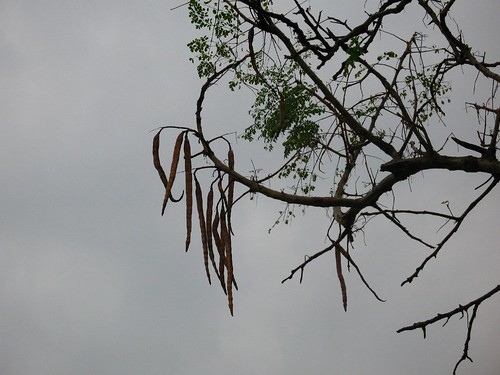
Medicinal Plant: Drumstick (Moringa oleifera Lam.)


Names: Malunggay, horseradish tree, drumstick tree, and dool in some regions.


This medicinal plant, the malunggay plant, which belongs to the Moringaceae family, can grow as high as nine meters.It is rich in vitamins A, B & C, minerals such as iron and amino acids.

The leaves of this herbal plant proved to be a good source of calcium, iron, ascorbic acid and phosphorus. The other parts of this herbal plant such as the seeds, the young pods, and the flowers have been established to benefit individuals as far as anti-oxidant, anti-diabetic, circulatory stimulations. Malunggay can be used to lower blood pressure, aid in pains caused by rheumatism, headaches and migraines, as well as its being an anti-tumor plant. Malunggay is also used for purgative and anti-fungal purposes,

How to use (JC Kurian, 2010):
  • The bark of the root promotes the flow of urine.
  • A hot decoction of the bark is used to foment inflamed parts
  • The juice of the root-bark is used in earaches.
  • A few drops of the juice of the root-bark are placed in the cavity to relieve toothache.
  • The bark of the stem is used as a cardiac stimulant in asthma, cough and other respiratory disorders.
  • The young leaves are cooked and eaten to fight scurvy.
  • The poultice of the leaves is applied in wounds and swellings
  • The juice of the leaves, mixed with honey is used for the treatment of eye diseases.
  • Oil extracted from the seeds is locally applied for painful gout and rheumatic joi