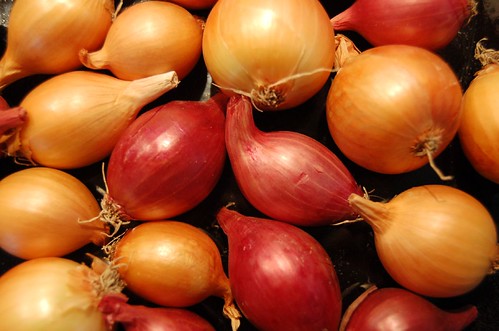
Onions (Allium cepa)
Onions are characterized by its rich content of thiosulfinates, sulfides, sulfoxides and other odoriferous compounds. The thiosulfinates exhibit antimicrobial properties.
Onions
Onions are good for:
Colds
Coughs
Asthma
Repels insects
Angina
Bacterial Infections
Breathing problems
Treatment to poor Appetite
Prevent Atherosclerosis
Influenza
Tuberculosis
Insomia
Pneumonia
Anti-allergy
Obesity - helps lower the amount of cholesterol
Reduced Inflammation
Prolonged Longevity
Colon cancer - Onions are a very rich source of Fruto-oligosaccharides, which helps to suppress the growth of potentially harmful bacteria in the colon.
Anemia - Onion contains high amount of iron which prevents anemia
Anti-coagulant - Daily intake of onions can lower cholesterol and help prevent heart attacks
Anti-inflammatory - for arthritis and gout
Anti-septic - Onion is effective against many bacteria including Bacillus subtilis, salmonella and E. coli
Blood pressure - lowers blood pressure naturally
Ear Disorder - cotton wool is dipped into onion juices and put into the ear to stop ringing in the ear
Hail Loss - Applying onion juices on scalp twice a week for two months will cause hair regrowth
Sexual debility - Onion is a potent aphrodisiac
Osteoporosis - A compound in onion that prevents the activities of breaking down bone.
Indeed onions is a superb medicinal plant.
Medicinal plants are very popular for curing diseases like diabetes. This serves as alternative medicine that can be applied as home remedies. This site includes medicinal plant uses, list of medicinal plants or herbal plants that are commonly used in the Philippines
Showing posts with label Traditional Medicine. Show all posts
Wednesday, September 7, 2011
Wednesday, June 1, 2011
Medicinal Plant: Garlic

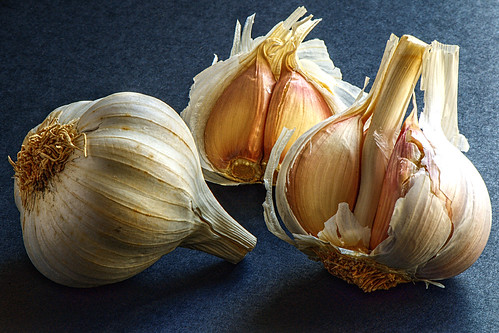
Bawang or Garlic (Allium sativum). Garlic has been a medicine in many cultures for thousands of years. This herb is one of the most widely used herbal medicines in the Philippines.Its medicinal properties have been proven during World War II when it was used to treat wounds and infections of soldiers. Garlic’s antibacterial compound known as allicin, prevented the wounds from being infected and developing into gangrene by extracting the juice of bawang or garlic and applying to the wounds.
Bawang or garlic is know as nature's antibiotic. Its juices inhibit the growth of fungi and viruses thus, prevent viral, yeast, and infections. This medicinal herb showed some positive results in the treatment of AIDS. Several clinical tests that followed and published studies have shown the efficacy of garlic in lowering cholesterol in the blood and is beneficial to the circulatory system of the body. Today, as more research is done on garlic, more medicinal and therapeutic properties become more evident. As of the present time, lowering of the blood pressure, reduction of platelet aggregation, and the boosting of fibrinolytic activities are among the list of herbal functions of garlic, which is supported by medical findings. Although more clinical studies are needed to support the contention stronger, marked improvements in benign breast diseases have been traced to make progress because of the regular intake of supplements, of which the primary ingredient is garlic.
The department of Heath has endoresed garlic as one of the top ten Philippine herbs with therapeutic value.
Garlic is rich in antioxidants, which help destroy free radicals -- particles that can damage cell membranes, interact with genetic material, and possibly contribute to the aging process as well as the development of a number of conditions, including heart disease and cancer. Free radicals occur naturally in the body, but environmental toxins (including ultraviolet light, radiation, cigarette smoke, and air pollution) can also increase the number of these damaging particles. Antioxidants neutralize free radicals and may reduce or even help prevent some of the damage they cause over time.
Health Benefits of Bawang-Garlic:
• Good for the heart
• Helps lower bad cholesterol levels (LDL)
• Aids in lowering blood pressure
• Remedy for arteriosclerosis
• May help prevent certain types of cancer
• Boosts immune system to fight infection
• With antioxidant & antibacterial properties
• Cough and cold remedy
• Relives sore throat
• Aids in the treatment of tuberculosis
• Helps relieve rheumatism pain
• Relief of toothaches
• Kills skin fungus i.e. athlete’s foot
• With anticoagulant properties
- Cancer (colorectal malignancies & gastric cancer)
- Bledding cases (surgeries & dental activities)
Preparation of Bawang-Garlic:
• For disinfecting wound, crush and juice the garlic bulb and apply. You may cover the afflicted area with a gauze and bandage.
• For sore throat, peal the skin and chew for several minutes. Swallow the juice.
• For toothaches, crush then bite garlic.
• For athlete’s foot, soak feet in salty water then apply garlic juice. Do this 3X day for a week.
• Cloves of garlic may be crushed and applied to affected areas to reduce the pain caused by arthritis, toothache, headache, and rheumatism.
• Decoction of the bawang bulbs and leaves are used as treatment for fever.
• For nasal congestion, steam and inhale: vinegar, chopped garlic, and water.
- Juice extracted from garlic bulbs can be used as tick and mosquito repellant when applied to skin.
Wednesday, May 18, 2011
Medicinal Plant: Drumstick (Moringa oleifera Lam.)
Names: Malunggay, horseradish tree, drumstick tree, and dool in some regions.

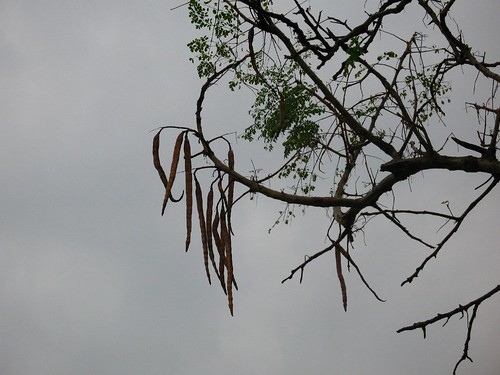
This medicinal plant, the malunggay plant, which belongs to the Moringaceae family, can grow as high as nine meters.It is rich in vitamins A, B & C, minerals such as iron and amino acids.
The leaves of this herbal plant proved to be a good source of calcium, iron, ascorbic acid and phosphorus. The other parts of this herbal plant such as the seeds, the young pods, and the flowers have been established to benefit individuals as far as anti-oxidant, anti-diabetic, circulatory stimulations. Malunggay can be used to lower blood pressure, aid in pains caused by rheumatism, headaches and migraines, as well as its being an anti-tumor plant. Malunggay is also used for purgative and anti-fungal purposes,
How to use (JC Kurian, 2010):
- The bark of the root promotes the flow of urine.
- A hot decoction of the bark is used to foment inflamed parts
- The juice of the root-bark is used in earaches.
- A few drops of the juice of the root-bark are placed in the cavity to relieve toothache.
- The bark of the stem is used as a cardiac stimulant in asthma, cough and other respiratory disorders.
- The young leaves are cooked and eaten to fight scurvy.
- The poultice of the leaves is applied in wounds and swellings
- The juice of the leaves, mixed with honey is used for the treatment of eye diseases.
- Oil extracted from the seeds is locally applied for painful gout and rheumatic joi
Labels:
Alternative Medicine,
anti-oxidant,
Anti-tumor,
Diabetes,
headache,
Herbology,
High Blood Pressure,
Medicinal Plant,
Medicinal Plant for Diabetes,
migraines,
Rheumatism,
Traditional Medicine
Monday, May 16, 2011
Medicinal Plant: Pineapple (Ananas comosus Mill)

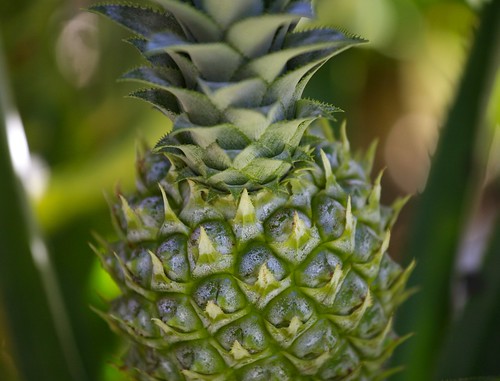
Pineapple belongs to family Bromeliaceae. it is a tropical shrub with spiny-leaves. The leave margin are spiny toothed, rigid and concave on the upper side. It produces a very sweet pineapple fruit. it can be used as source for natural medicine.
`
Medicinal Uses
- Bronchitis
- Sore throat
- Constipation, Reduction of fever, for digestion, treatment of the bladder, prostate, urethra, rheumatism, arthritis, oedema, jaundice, Neurasthenia, Melancholia, & Nephritis
- Expels worms, and kills intestinal parasites
- Gonorrhoea.
How to Use
- For bronchitis the pineapple is sliced and covered with honey and and then boiled to make a syrup. Two to three spoonfuls a day is a good expectorant.
- For sore throat, the natural ripe fruit is eaten, or the juice is drunk.
- The pulp of the juice is recommended for constipation, reduction of fever, for digestion, treatment of the bladder, prostate, urethra, amenorrhoea, rheumatism, arthritis, oedema, jaundice and loss of memory.
Parts to be Used
- The leaves and ripe and unripe fruit
Sunday, May 15, 2011
Medicinal Plant: Guava Tree (Psidium guajava Linn.)

Medicinal Plant : Guava fruit
Medicinal Uses:
- Gastroenteritis or inflammation of the stomach and intestine, uterine haemorrhage or heavy bleeding, chronic diarrhoea and oedema.
- Dysentery, inflammation of the kidney, and diarrhoea
- Ulcers, vaginal and uterine problems, and cuts
- Spasms, fever, worms, kidney problems, epilepsy, diabetes, and cerebral affections
Preparation
• Boil one cup of Bayabas leaves in three cups of water for 8 to 10 minutes. Let cool.
• Use decoction as mouthwash, gargle.
• Use as wound disinfectant - wash affected areas with the decoction of leaves 2 to 3 times a day. Fresh leaves may be applied to the wound directly for faster healing.
• For toothaches, chew the leaves in your mouth.
• For diarrhea, boil the chopped leaves for 15 minutes in water, and strain. Let cool, and drink a cup every three to four hours.
• To stop nosebleed, densely roll Bayabas leaves, then place in the nostril cavities.
Subscribe to:
Comments (Atom)