Mahogany (Swietenia macrophylia)
This is a more or less deciduous, erect tree growing up to 10 m or more in height, with a heavy, dark green dense crown. it sheds its leaves during summer. the trunk is more or less buttressed. the bark is dark grey and ridged. the leaves are alternate, smooth (with the upper portion shiny, brownish, or purplish), compound and about 15 cm long, comprising 3-6 pairs of leaflets.
Philippine Medicinal Plant: Mahogany
Medicinal value
- A decoction of the bark may serve as an antipyretic (reduces fever)
- It may serve also as an astringent
- It is also used as a tonic (increases body tone)
- It is suspected that in Africa , it is used as treatment for colon cancer.
- In Malaysia the seeds are chewed, or swallowed in powder form to treat high blood pressure.
- In India it is used to treat diabetes and diarrhoea
- In Indonesia a decoction of the seeds is given against malaria.
In clinical trials the leaves have been found to have anti-diabetic properties and to have anti-diabetic properties and to have anti-inflammatory properties as well as the potential to help against hepatitis C, anti-bacterial and anti-microbial properties.
Source
Medicinal plants are very popular for curing diseases like diabetes. This serves as alternative medicine that can be applied as home remedies. This site includes medicinal plant uses, list of medicinal plants or herbal plants that are commonly used in the Philippines
Showing posts with label Medicinal Plant. Show all posts
Monday, December 9, 2013
Tuesday, November 19, 2013
Philippine Medicinal Plant: Pili
This is a large tree reaches a height of about 35m and is a meter or more in diameter. The leaves are alternate, pinnate and about 30cm long with usually tree pairs of opposite leaflets and a terminal leaflets. The leaflets are ovate-oblong, 12-20 cm long and 3-7 cm wide, smooth and shiny on both sides, pointed at the apex and rounded or obtusely pointed at the base.
Medicinal value:
- The "saheng" (oleoresin) is used as a stimulant (is a drug that increases the activity of the sympathetic nervous system and produces a sense of euphoria of the feeling of being more awake); a rubefacient (an external skin application causing redness of the skin, as a medical application); and an antirheumatic when applied externally.
- Poultices of brea (soft resin) are used externally for swelling of the legs.
- Oleoresin (mixture of oil & resin), prepared in the form of ointment, is applied on indolent ulcers.
Photo Credit 1
Photo Credit 2
Sunday, March 11, 2012
Philippine Medicinal Plant: Ipil-ipil (Lead Tree)
Ipil-ipil is a small tree growing up to 8 meters high. It has a compounded leaves with hairy rachis. Flowers are shitish, in dense globue heads. Fruits is an oblong or linear pod, strap-shaped, 12-18 centimeters long. Papery green turning to brown and splitting open along two edges when mature.
Roasted seeds used as emollient, intestinal parasitism, ascaris and trichinosis. It is also used to get rid of roundworms.
Medicinal Plant: Ipil-ipilAdults: 1 teaspoon of powdered dried seeds, alon or mixed with condensed milk and followed by half a water, taken as a single dose 2 hours after a meal repeated after one week as needed.
Saturday, March 3, 2012
Philippine Medicinal Plant: Avocado
Avocado is a medium sized tree with a height reaching until 10 - 15 meters. Fruit is largely elongated, large, sometimes resembling like that of a pear. It is commonly gound in the backyards of the locals in the Philippines.
Philippine Medicinal Plant: Avocado Its medicinal properties includes; antibacteria, antioxidant, antifungal, pectoral, stomachic, anthelmintic, antiperiodic and antidiarrheal.
It is a good source of vitamins A, B, C and E, potassium (higher than bananas) and fiber. It is can also be a source of iron and calcium.
The pulp ius believed to promote menstruation, hasten the suppuration of wounds, used to stop diarrhea. the leaves and bark helps expel worms. It also helps sooths rheumatism and neuralgia.
Labels:
anti-fungal,
anti-oxidant,
Avocado,
Diarrhea,
Medicinal Plant
Wednesday, September 7, 2011
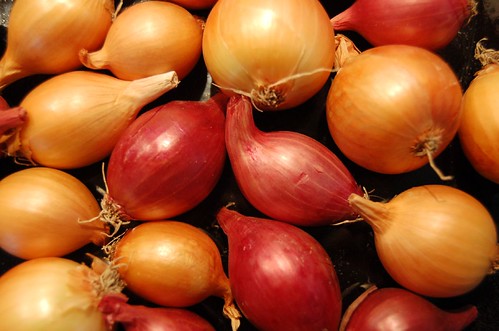
Medicinal Plant: Onion
Onions (Allium cepa)
Onions are characterized by its rich content of thiosulfinates, sulfides, sulfoxides and other odoriferous compounds. The thiosulfinates exhibit antimicrobial properties.
Onions
Onions are good for:
Colds
Coughs
Asthma
Repels insects
Angina
Bacterial Infections
Breathing problems
Treatment to poor Appetite
Prevent Atherosclerosis
Influenza
Tuberculosis
Insomia
Pneumonia
Anti-allergy
Obesity - helps lower the amount of cholesterol
Reduced Inflammation
Prolonged Longevity
Colon cancer - Onions are a very rich source of Fruto-oligosaccharides, which helps to suppress the growth of potentially harmful bacteria in the colon.
Anemia - Onion contains high amount of iron which prevents anemia
Anti-coagulant - Daily intake of onions can lower cholesterol and help prevent heart attacks
Anti-inflammatory - for arthritis and gout
Anti-septic - Onion is effective against many bacteria including Bacillus subtilis, salmonella and E. coli
Blood pressure - lowers blood pressure naturally
Ear Disorder - cotton wool is dipped into onion juices and put into the ear to stop ringing in the ear
Hail Loss - Applying onion juices on scalp twice a week for two months will cause hair regrowth
Sexual debility - Onion is a potent aphrodisiac
Osteoporosis - A compound in onion that prevents the activities of breaking down bone.
Indeed onions is a superb medicinal plant.
Onions are characterized by its rich content of thiosulfinates, sulfides, sulfoxides and other odoriferous compounds. The thiosulfinates exhibit antimicrobial properties.
Onions
Onions are good for:
Colds
Coughs
Asthma
Repels insects
Angina
Bacterial Infections
Breathing problems
Treatment to poor Appetite
Prevent Atherosclerosis
Influenza
Tuberculosis
Insomia
Pneumonia
Anti-allergy
Obesity - helps lower the amount of cholesterol
Reduced Inflammation
Prolonged Longevity
Colon cancer - Onions are a very rich source of Fruto-oligosaccharides, which helps to suppress the growth of potentially harmful bacteria in the colon.
Anemia - Onion contains high amount of iron which prevents anemia
Anti-coagulant - Daily intake of onions can lower cholesterol and help prevent heart attacks
Anti-inflammatory - for arthritis and gout
Anti-septic - Onion is effective against many bacteria including Bacillus subtilis, salmonella and E. coli
Blood pressure - lowers blood pressure naturally
Ear Disorder - cotton wool is dipped into onion juices and put into the ear to stop ringing in the ear
Hail Loss - Applying onion juices on scalp twice a week for two months will cause hair regrowth
Sexual debility - Onion is a potent aphrodisiac
Osteoporosis - A compound in onion that prevents the activities of breaking down bone.
Indeed onions is a superb medicinal plant.
Monday, August 1, 2011
Philippine Medicinal Plant: Ginger or Luya
Scientific name: Zingiber officinale Roscoe; English: Ginger; Tagalog: Luya
History proves that Ginger or luya is a very effective medicinal plant. it is used in treating:
Ginger or Luya
1. Cold and flu
2. It enhances the heart helping to regulate its function to beat more strongly and slowly and that blood pressure lowers by 10 to 15 points after its ingestion. A component of ginger has a balancing effect, lowering high blood pressure and raising low blood pressure.
3. It proves to remove cholesterol from both the blood and liver.It also helps prevent rise in blood choilesterol levels that accompanies cholesterol-rich meals.
4. It also soth the stomach, helping digestion, it facilitates the breakdown of fod in the stomach and the absorption of food in the small intestine.
5. It helps prevent nausea both due to postoperative and chemotheraphy as well as motion sickness. it also reduced nausea caused by pregnancy. Daily intake of ginger will not stimulate uterine contraction.
6. It is found to be useful in treatment of migraine.
7. It also act as natural aphrodisiac
8. It also help boost weight loss by increasing the calorie you can burn.
9. It also releives sore throat.
For sore throat medications: wash and peel a small piece of ginger. Chew slowly for a few minutes. swallow the juice. or, keep a small piece in the mouthm chewing it little by little.
Sunday, June 12, 2011
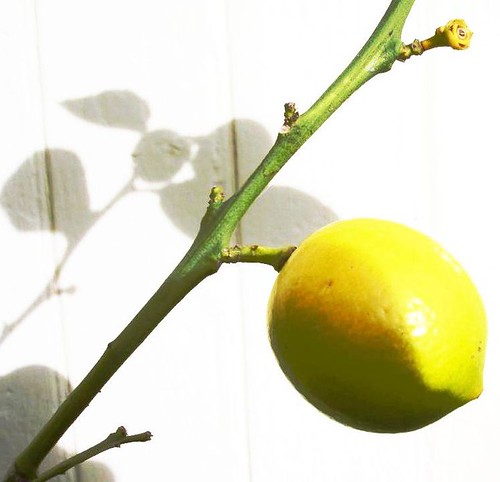
Medicinal Plant: Lemon : Citrus limonum Risso
Medicinal Plant: lemonsThere are enormous benefits of lemon juice and water in your everyday life. You simply need to arm yourself with relevant knowledge and you would soon start valuing this amalgamation more than ever.
Medicinal Plant: Lemon
The medicinal properties of lemons are almost countless. Lemon juice contains: citric acid, sugars, minerals like magnesium, calcium, phosphorus, potassium and iron, vitamin C, B1, B2 and nicotinic acid, pectins, among which flavonoids hesperidin. Internal use or tea or juice, or consuming the neutral.
This medicinal plant, its fruit is recommended in cases of arthritis, asthma, gout, gallstones or kidney problems, nephritis, lack of vitamin C, pyorrhea, vermifuge, antispasmodic, colds, indigestion, cough, flu and respiratory infections, anemia, and rickets. Lemon is used externally against pains and rheumatism.
Lemon is a rich source of vitamin C. It also contains vitamins like vitamin B, riboflavin and minerals like calcium, phosphorus, magnesium as well as proteins and carbohydrates. Lemon is generally consumed in the form of lemon juice or lemon water. Lemon water makes a healthy drink, especially when taken in the morning. Daily consumption of lemon water provides a number of health benefits like:
1. Good for stomach
Lemon can help relieve many digestion problems when mixed with hot water. These include nausea, heartburn and parasites. Due to the digestive qualities of lemon juice, symptoms of indigestion such as heartburn, bloating and belching are relieved. By drinking lemon juice regularly, the bowels are aided in eliminating waste more efficiently. Lemon acts as a blood purifier and as a cleansing agent. The intake of lemon juice can cure constipation. It is even known to help relieve hiccups when consumed as a juice. Lemon juice acts as a liver tonic and helps you digest your food by helping your liver produce more bile. It decreases the amount of phlegm produced by your body. It is also thought to help dissolve gallstones.
2. Excellent for Skin Care
Lemon, being a natural antiseptic medicine, can participate to cure problems related to skin. Lemon is a vitamin C rich citrus fruit that enhances your beauty, by rejuvenating skin from within and thus bringing a glow on your face. Daily consumption of lemon water can make a huge difference in the appearance of your skin. It acts as an anti-aging remedy and can remove wrinkles and blackheads. Lemon water if applied on the areas of burns can fade the scars. As lemon is a cooling agent, it reduces the burning sensation on the skin.
3. Aids in Dental Care
Lemon water is used in dental care also. If fresh lemon juice is applied on the areas of toothache, it can assist in getting rid of the pain. The massages of lemon juice on gums can stop gum bleeding. It gives relief from bad smell and other problems related to gums.
4. Cures Throat Infections
Lemon is an excellent fruit that aids in fighting problems related to throat infections, sore throat and tonsillitis as it has an antibacterial property. For sore throat, dilute one-half lemon juice with one-half water and gargle frequently.
5. Good for Weight Loss
One of the major health benefits of drinking lemon water is that it paves way for losing weight faster, thus acting as a great weight loss remedy. If a person takes lemon juice mixed with lukewarm water and honey, it can reduce the body weight as well.
6. Controls High Blood Pressure
Lemon water works wonders for people having heart problem, owing to its high potassium content. It controls high blood pressure, dizziness, nausea as well as provides relaxation to mind and body. It also reduces mental stress and depression.
7. Assist in curing Respiratory Disorders
Lemon water assists in curing respiratory problems, along with breathing problems and revives a person suffering from asthma.
8. Good for treating Rheumatism
Lemon is also a diuretic and hence lemon water can treat rheumatism and arthritis. It helps to flush out bacteria and toxins out of the body.
9. Reduces Fever
Lemon water can treat a person who is suffering from cold, flu or fever. It helps to break fever by increasing perspiration.
10. Acts as a blood purifier
The diseases like cholera or malaria can be treated with lemon water as it can act as a blood purifier.
Labels:
Alternative Medicine,
Arthritis,
Asthma,
Lemon,
Medicinal Plant,
Weight Loss
Friday, June 3, 2011
Medicinal Plant: Lagundi (Vitex Negundo)
Herbal medicines endorsed by the Philippine Department of Health lagundi (Vitex Negundo) has been clinically tested to be effective in the treatment of colds, flu, bronchial asthma, chronic bronchitis, and pharyngitis. Studies have shown that Lagundi can prevent the body's production of leukotrienes, which are released during an asthma attack. Lagundi contains Chrysoplenol D, a substance with anti-histamine and muscle relaxant properties.
Medicinal Plant: Lagundi (Vitex Negundo)
The roots of this shrub are also used as treatment for rheumatism, dyspepsia, boils, and leprosy. The leaves, flowers, seeds, and root of Lagundi can all be used as herbal medicine. A decoction is made by boiling the parts of the plant and taken orally. For its part, the flowers are recommended as a cardiac tonic, as cure for liver diseases, and other internal disorders such as diarrhea and cholera. The lagundi plant also has anti-inflammatory functions, and its cooling effects are ideal as treatment for skin diseases such as leprosy.
Herbal Benefits of Lagundi:
• Relief of asthma & pharyngitis
• Recommended relief of rheumatism, dyspepsia, diarrhea
• Treatment of cough, colds, fever and flu and other bronchopulmonary disorders
• Alleviate symptoms of Chicken Pox
• Removal of worms, and boils
Preparation and Use.
1. wash fresh or dried Lagundi leaves
2. chop then add in 4 cups of water for every 1 cup of lagundi parts
3. let it boil for 10 to 15 minutes
4. Let it steep then strain the various parts.
5. Drink half cup of Lagundi three times a day.
6. Lagundi concoction can be stored in suitable blass container for 7. later consumption.
Medicinal Plant: Lagundi (Vitex Negundo)
The roots of this shrub are also used as treatment for rheumatism, dyspepsia, boils, and leprosy. The leaves, flowers, seeds, and root of Lagundi can all be used as herbal medicine. A decoction is made by boiling the parts of the plant and taken orally. For its part, the flowers are recommended as a cardiac tonic, as cure for liver diseases, and other internal disorders such as diarrhea and cholera. The lagundi plant also has anti-inflammatory functions, and its cooling effects are ideal as treatment for skin diseases such as leprosy.
Herbal Benefits of Lagundi:
• Relief of asthma & pharyngitis
• Recommended relief of rheumatism, dyspepsia, diarrhea
• Treatment of cough, colds, fever and flu and other bronchopulmonary disorders
• Alleviate symptoms of Chicken Pox
• Removal of worms, and boils
Preparation and Use.
1. wash fresh or dried Lagundi leaves
2. chop then add in 4 cups of water for every 1 cup of lagundi parts
3. let it boil for 10 to 15 minutes
4. Let it steep then strain the various parts.
5. Drink half cup of Lagundi three times a day.
6. Lagundi concoction can be stored in suitable blass container for 7. later consumption.
Tuesday, May 31, 2011
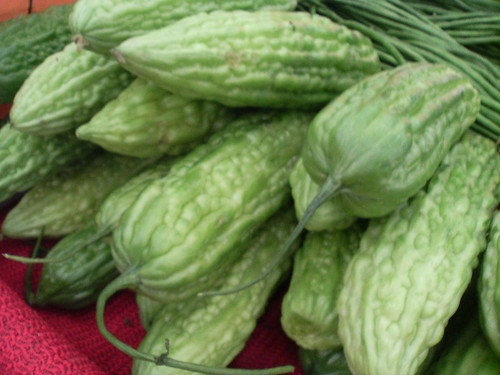
Medicinal Plant: Bitter Melon (Ampalaya)
Herbal Plant : Bitter melon (ampalaya)Ampalaya (Bitter Melon) with a scientific name Momordica charantia, it belongs to family of Cucurbitaceae.The bitter taste of the ampalaya fruit is due to the presence of a substance known as momorcidin.
Ampalaya has been a folkloric cure for Diabetes. Ampalaya contains a mixture of flavanoids and alkaloids make the Pancreas produce more insulin that controls the blood sugar in diabetics. Aside from Ampalaya's medicinal value, it is good source of vitamins A, B and C, iron, folic acid, phosphorous and calcium.
Herbal Benefits of Ampalaya:
- Diabetes
- liver problems
- HIV
- Skin diseases
- cough
- increase sterility in women
- Good for rheumatism and gout
- And diseases of the spleen and liver
- Aids in lowering blood sugar levels
- Helps in lowering blood pressure
- Relives headaches
- Disinfects and heals wounds & burns
- Can be used as a cough & fever remedy
- Treatment of intestinal worms, diarrhea
- Helps prevent some types of cancer
- Enhances immune system to fight infection
- For treatment of hemorrhoids
- Is an antioxidant and parasiticide
- Is antibacterial and antipyretic
Preparation & Use of Ampalaya:
• For coughs, fever, worms, diarrhea, diabetes, juice Ampalaya leaves and drink a spoonful daily.
• For other ailments, the fruit and leaves can both be juiced and taken orally.
• For headaches wounds, burns and skin diseases, apply warmed leaves to afflicted area.
• Powdered leaves, and the root decoction, may be used as stringent and applied to treat hemorrhoids.
• Internal parasites are proven to be expelled when the ampalaya juice, made from its leaves, is extracted. The ampalaya juice, and grounded seeds is to be taken one spoonful thrice a day, which also treats diarrhea, dysentery, and chronic colitis.
Thursday, May 19, 2011
Medicinal Plant: Ringworm Bush (Cassia alata)
Names: katanda, andadasi, palochina, akapulko, Bayabas-bayabasan and ringworm bush

This herbal medicine is used to treat ringworms and skin fungal infections.The shrub belongs to the family of Leguminosae, and grows about one to two meters tall. A medicinal herb that contains chrysophanic acid, a fungicide used to treat fungal infections, like ringworms, scabies, and eczema. Akapulko also contains saponin, a laxative that is useful in expelling intestinal parasites.The extracts from the The medicinal plant: Akapulko plant is commonly used as an ingredient for lotions, soaps, and shampoos.
It is considered by the Department of Health as one of the top ten herbal plant in the Philippines.
Medicinal Uses:
- Ringworm
- Tinea Infections
- Eczema
- Insect bites
- Scabies
- Itchiness
-cough & fever
-Asthma
- Vermicide
- laxative to expel intestinal paasite and other stomach problems
Preparation and Use:
- The leaf may be squeezed and applied over the ringworm patches.
- Soak and boil the leaves for 10 ro 15 minutes for cought and as vermicide, as well as for mouthwash, stringent, and wash for eczema.
Labels:
Alternative Medicine,
Asthma,
Eczema,
Fever,
Herbal Medication,
Medicinal Plant,
Ringworm
Wednesday, May 18, 2011
Medicinal Plant: Drumstick (Moringa oleifera Lam.)
Names: Malunggay, horseradish tree, drumstick tree, and dool in some regions.

This medicinal plant, the malunggay plant, which belongs to the Moringaceae family, can grow as high as nine meters.It is rich in vitamins A, B & C, minerals such as iron and amino acids.
The leaves of this herbal plant proved to be a good source of calcium, iron, ascorbic acid and phosphorus. The other parts of this herbal plant such as the seeds, the young pods, and the flowers have been established to benefit individuals as far as anti-oxidant, anti-diabetic, circulatory stimulations. Malunggay can be used to lower blood pressure, aid in pains caused by rheumatism, headaches and migraines, as well as its being an anti-tumor plant. Malunggay is also used for purgative and anti-fungal purposes,
How to use (JC Kurian, 2010):
- The bark of the root promotes the flow of urine.
- A hot decoction of the bark is used to foment inflamed parts
- The juice of the root-bark is used in earaches.
- A few drops of the juice of the root-bark are placed in the cavity to relieve toothache.
- The bark of the stem is used as a cardiac stimulant in asthma, cough and other respiratory disorders.
- The young leaves are cooked and eaten to fight scurvy.
- The poultice of the leaves is applied in wounds and swellings
- The juice of the leaves, mixed with honey is used for the treatment of eye diseases.
- Oil extracted from the seeds is locally applied for painful gout and rheumatic joi
Labels:
Alternative Medicine,
anti-oxidant,
Anti-tumor,
Diabetes,
headache,
Herbology,
High Blood Pressure,
Medicinal Plant,
Medicinal Plant for Diabetes,
migraines,
Rheumatism,
Traditional Medicine
Monday, May 16, 2011
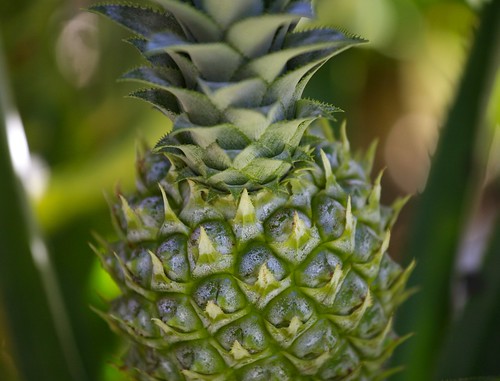
Medicinal Plant: Pineapple (Ananas comosus Mill)

Pineapple belongs to family Bromeliaceae. it is a tropical shrub with spiny-leaves. The leave margin are spiny toothed, rigid and concave on the upper side. It produces a very sweet pineapple fruit. it can be used as source for natural medicine.
`
Medicinal Uses
- Bronchitis
- Sore throat
- Constipation, Reduction of fever, for digestion, treatment of the bladder, prostate, urethra, rheumatism, arthritis, oedema, jaundice, Neurasthenia, Melancholia, & Nephritis
- Expels worms, and kills intestinal parasites
- Gonorrhoea.
How to Use
- For bronchitis the pineapple is sliced and covered with honey and and then boiled to make a syrup. Two to three spoonfuls a day is a good expectorant.
- For sore throat, the natural ripe fruit is eaten, or the juice is drunk.
- The pulp of the juice is recommended for constipation, reduction of fever, for digestion, treatment of the bladder, prostate, urethra, amenorrhoea, rheumatism, arthritis, oedema, jaundice and loss of memory.
Parts to be Used
- The leaves and ripe and unripe fruit
Subscribe to:
Posts (Atom)