Showing posts with label Natural medicine. Show all posts

Wednesday, September 7, 2011

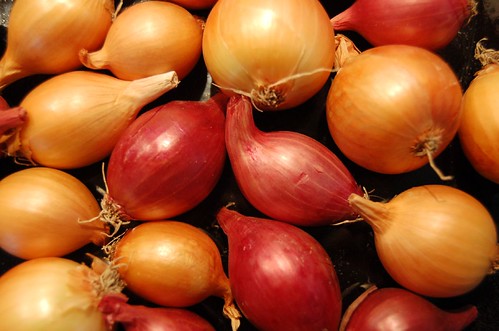
Medicinal Plant: Onion

Onions (Allium cepa)

Onions are characterized by its rich content of thiosulfinates, sulfides, sulfoxides and other odoriferous compounds. The thiosulfinates exhibit antimicrobial properties.


Onions
Onions are good for:
     Colds
     Coughs
     Asthma
     Repels insects
     Angina
     Bacterial Infections
     Breathing problems
     Treatment to poor Appetite
     Prevent Atherosclerosis
     Influenza
     Tuberculosis
     Insomia
     Pneumonia
     Anti-allergy
     Obesity - helps lower the amount of cholesterol
     Reduced Inflammation
     Prolonged Longevity
     Colon cancer - Onions are a very rich source of Fruto-oligosaccharides, which helps to suppress the growth of potentially harmful bacteria in the colon.
     Anemia - Onion contains high amount of iron which prevents anemia
     Anti-coagulant - Daily intake of onions can lower cholesterol and help prevent heart attacks
     Anti-inflammatory - for arthritis and gout
     Anti-septic - Onion is effective against many bacteria including Bacillus subtilis, salmonella and E. coli
    Blood pressure - lowers blood pressure naturally
    Ear Disorder - cotton wool is dipped into onion juices and put into the ear to stop ringing in the ear
    Hail Loss - Applying onion juices on scalp twice a week for two months will cause hair regrowth
    Sexual debility - Onion is a potent aphrodisiac
    Osteoporosis - A compound in onion that prevents the activities of breaking down bone.

    Indeed onions is a superb medicinal plant.


Monday, May 16, 2011

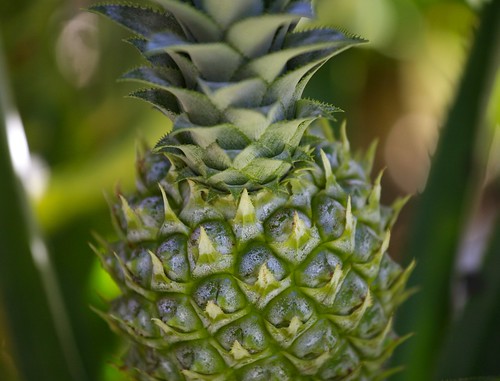
Medicinal Plant: Pineapple (Ananas comosus Mill)


Pineapple belongs to family Bromeliaceae. it is a tropical shrub with spiny-leaves. The leave margin are spiny toothed, rigid and concave on the upper side. It produces a very sweet pineapple fruit. it can be used as source for natural medicine.
`

Medicinal Uses
  • Bronchitis
  • Sore throat
  • Constipation, Reduction of fever, for digestion, treatment of the bladder, prostate, urethra, rheumatism, arthritis, oedema, jaundice, Neurasthenia, Melancholia, & Nephritis
  • Expels worms, and kills intestinal parasites
  • Gonorrhoea.
How to Use
  • For bronchitis the pineapple is sliced and covered with honey and and then boiled to make a syrup. Two to three spoonfuls a day is a good expectorant.
  • For sore throat, the natural ripe fruit is eaten, or the juice is drunk.
  • The pulp of the juice is recommended for constipation, reduction of fever, for digestion, treatment of the bladder, prostate, urethra, amenorrhoea, rheumatism, arthritis, oedema, jaundice and loss of memory.
Parts to be Used
  • The leaves and ripe and unripe fruit

Sunday, May 15, 2011

Medicinal Plant: Guava Tree (Psidium guajava Linn.)


It belongs to family Myrtaceae. A tropical and semi-tropical plant. It grows to a height of 7.5 meters with a trunk girth of about 30-90 cm. The leaves are 10-15 cm long, oblong and entire with lateral nerves. The white flowers found in the axils are 2.5-3.5 cm in diameter. the ripe guava is rich in vitamin C and fiber. Almost all of the parts of this medicinal plant have medicinal qualities and value, and thus, making it as one of the most popular therapeutic plants in the Philippines.

Medicinal Plant : Guava fruit
Medicinal Uses:
  • Gastroenteritis or inflammation of the stomach and intestine, uterine haemorrhage or heavy bleeding, chronic diarrhoea and oedema.
  • Dysentery, inflammation of the kidney, and diarrhoea
  • Ulcers, vaginal and uterine problems, and cuts
  • Spasms, fever, worms, kidney problems, epilepsy, diabetes, and cerebral affections

Preparation
• Boil one cup of Bayabas leaves in three cups of water for 8 to 10 minutes. Let cool.
• Use decoction as mouthwash, gargle.
• Use as wound disinfectant - wash affected areas with the decoction of leaves 2 to 3 times a day. Fresh leaves may be applied to the wound directly for faster healing.
• For toothaches, chew the leaves in your mouth.
• For diarrhea, boil the chopped leaves for 15 minutes in water, and strain. Let cool, and drink a cup every three to four hours.
• To stop nosebleed, densely roll Bayabas leaves, then place in the nostril cavities.