Showing posts with label Herbology. Show all posts

Tuesday, May 31, 2011

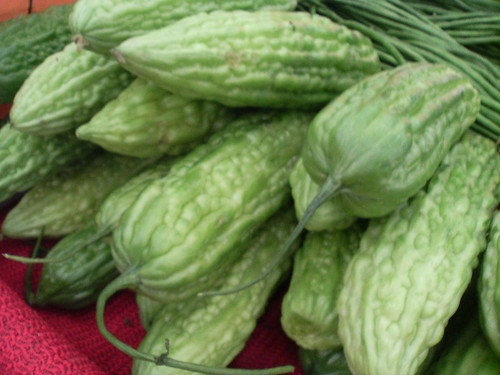
Medicinal Plant: Bitter Melon (Ampalaya)

Herbal Plant : Bitter melon (ampalaya)
Ampalaya (Bitter Melon) with a scientific name Momordica charantia, it belongs to family of Cucurbitaceae.The bitter taste of the ampalaya fruit is due to the presence of a substance known as momorcidin.

Ampalaya has been a folkloric cure for Diabetes. Ampalaya contains a mixture of flavanoids and alkaloids make the Pancreas produce more insulin that controls the blood sugar in diabetics. Aside from Ampalaya's medicinal value, it is good source of vitamins A, B and C, iron, folic acid, phosphorous and calcium.

Herbal Benefits of Ampalaya:
  • Diabetes
  • liver problems
  • HIV
  • Skin diseases
  • cough
  • increase sterility in women
  • Good for rheumatism and gout
  • And diseases of the spleen and liver
  • Aids in lowering blood sugar levels
  • Helps in lowering blood pressure
  • Relives headaches
  • Disinfects and heals wounds & burns
  • Can be used as a cough & fever remedy
  • Treatment of intestinal worms, diarrhea
  • Helps prevent some types of cancer
  • Enhances immune system to fight infection
  • For treatment of hemorrhoids
  • Is an antioxidant and parasiticide
  • Is antibacterial and antipyretic

Preparation & Use of Ampalaya:
• For coughs, fever, worms, diarrhea, diabetes, juice Ampalaya leaves and drink a spoonful daily.
• For other ailments, the fruit and leaves can both be juiced and taken orally.
• For headaches wounds, burns and skin diseases, apply warmed leaves to afflicted area.
• Powdered leaves, and the root decoction, may be used as stringent and applied to treat hemorrhoids.
• Internal parasites are proven to be expelled when the ampalaya juice, made from its leaves, is extracted. The ampalaya juice, and grounded seeds is to be taken one spoonful thrice a day, which also treats diarrhea, dysentery, and chronic colitis.

Wednesday, May 18, 2011

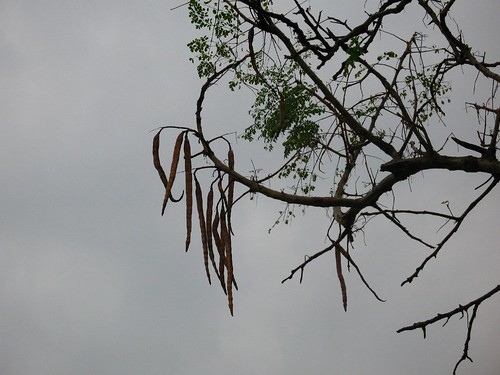
Medicinal Plant: Drumstick (Moringa oleifera Lam.)


Names: Malunggay, horseradish tree, drumstick tree, and dool in some regions.


This medicinal plant, the malunggay plant, which belongs to the Moringaceae family, can grow as high as nine meters.It is rich in vitamins A, B & C, minerals such as iron and amino acids.

The leaves of this herbal plant proved to be a good source of calcium, iron, ascorbic acid and phosphorus. The other parts of this herbal plant such as the seeds, the young pods, and the flowers have been established to benefit individuals as far as anti-oxidant, anti-diabetic, circulatory stimulations. Malunggay can be used to lower blood pressure, aid in pains caused by rheumatism, headaches and migraines, as well as its being an anti-tumor plant. Malunggay is also used for purgative and anti-fungal purposes,

How to use (JC Kurian, 2010):
  • The bark of the root promotes the flow of urine.
  • A hot decoction of the bark is used to foment inflamed parts
  • The juice of the root-bark is used in earaches.
  • A few drops of the juice of the root-bark are placed in the cavity to relieve toothache.
  • The bark of the stem is used as a cardiac stimulant in asthma, cough and other respiratory disorders.
  • The young leaves are cooked and eaten to fight scurvy.
  • The poultice of the leaves is applied in wounds and swellings
  • The juice of the leaves, mixed with honey is used for the treatment of eye diseases.
  • Oil extracted from the seeds is locally applied for painful gout and rheumatic joi

Tuesday, May 17, 2011

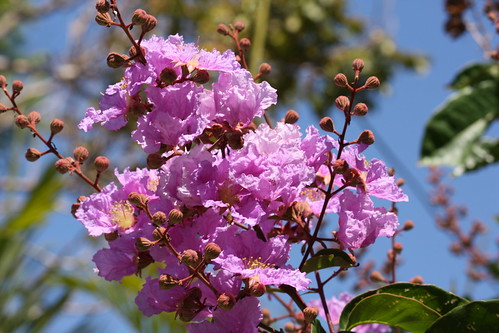
Philippine Medicinal Plant: Banaba (Lagerstroemia speciosa)


Name: Banaba, Queen Carpe Myrtle, Pide of India

Banaba has been used in Filipino folkloric he
rbal medicine for the treatment of diabetes for centuries.it grows all over the Philippines. Thie medicinal plant: Banaba has also been used to cure diabetes in Ayurvedic medicine for a long time.


It contains an active ingredient, corosolic acid is a potent compound that has insulin like effect to lower glucose in the body and is effective in treating diabetes. Banaba is rapidly becoming known as a natural plant insulin, and what makes it ideal is that, the herbal preparation may also be taken orally, without any risk of adverse side effects.

Medicinal Uses of Banaba

• Diabetes
• Fights obesity
• Helps regulate blood pressure
• Good for the kidneys
• Aids the digestive system
• Helps ease urination

Banaba Preparation & Use:

Almost all parts of this medicinal plant can be used: Fresh leaves, dried leaves, flowers, ripe fruit, root and bark of Banaba can all be used.
• Wash the leaves in running water (if fresh). Cut into smaller pieces if desired.
• Boil Banaba (one cup Banaba to cup of water) for 30 minutes. Drink like tea.

Monday, May 16, 2011

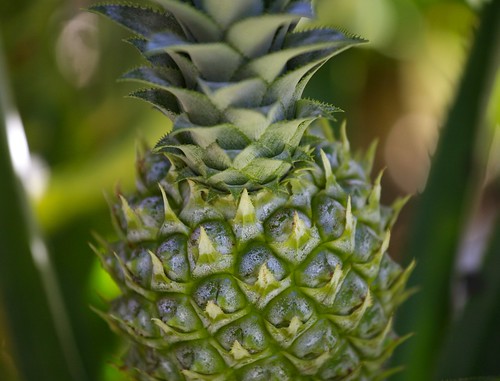
Medicinal Plant: Pineapple (Ananas comosus Mill)


Pineapple belongs to family Bromeliaceae. it is a tropical shrub with spiny-leaves. The leave margin are spiny toothed, rigid and concave on the upper side. It produces a very sweet pineapple fruit. it can be used as source for natural medicine.
`

Medicinal Uses
  • Bronchitis
  • Sore throat
  • Constipation, Reduction of fever, for digestion, treatment of the bladder, prostate, urethra, rheumatism, arthritis, oedema, jaundice, Neurasthenia, Melancholia, & Nephritis
  • Expels worms, and kills intestinal parasites
  • Gonorrhoea.
How to Use
  • For bronchitis the pineapple is sliced and covered with honey and and then boiled to make a syrup. Two to three spoonfuls a day is a good expectorant.
  • For sore throat, the natural ripe fruit is eaten, or the juice is drunk.
  • The pulp of the juice is recommended for constipation, reduction of fever, for digestion, treatment of the bladder, prostate, urethra, amenorrhoea, rheumatism, arthritis, oedema, jaundice and loss of memory.
Parts to be Used
  • The leaves and ripe and unripe fruit