Medicinal plants are very popular for curing diseases like diabetes. This serves as alternative medicine that can be applied as home remedies. This site includes medicinal plant uses, list of medicinal plants or herbal plants that are commonly used in the Philippines
Monday, August 1, 2011
Philippine Medicinal Plant: Ginger or Luya
Scientific name: Zingiber officinale Roscoe; English: Ginger; Tagalog: Luya
History proves that Ginger or luya is a very effective medicinal plant. it is used in treating:
Ginger or Luya
1. Cold and flu
2. It enhances the heart helping to regulate its function to beat more strongly and slowly and that blood pressure lowers by 10 to 15 points after its ingestion. A component of ginger has a balancing effect, lowering high blood pressure and raising low blood pressure.
3. It proves to remove cholesterol from both the blood and liver.It also helps prevent rise in blood choilesterol levels that accompanies cholesterol-rich meals.
4. It also soth the stomach, helping digestion, it facilitates the breakdown of fod in the stomach and the absorption of food in the small intestine.
5. It helps prevent nausea both due to postoperative and chemotheraphy as well as motion sickness. it also reduced nausea caused by pregnancy. Daily intake of ginger will not stimulate uterine contraction.
6. It is found to be useful in treatment of migraine.
7. It also act as natural aphrodisiac
8. It also help boost weight loss by increasing the calorie you can burn.
9. It also releives sore throat.
For sore throat medications: wash and peel a small piece of ginger. Chew slowly for a few minutes. swallow the juice. or, keep a small piece in the mouthm chewing it little by little.
Sunday, June 12, 2011
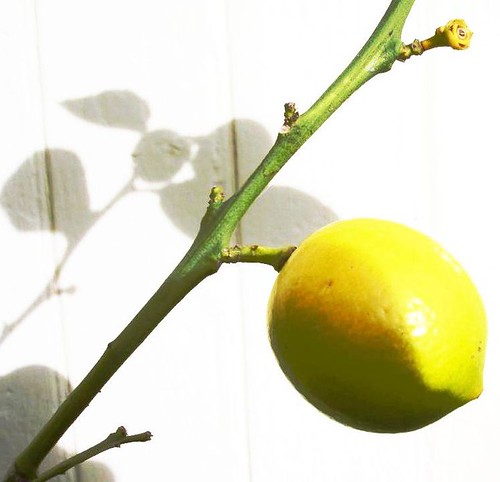
Medicinal Plant: Lemon : Citrus limonum Risso
Medicinal Plant: lemonsThere are enormous benefits of lemon juice and water in your everyday life. You simply need to arm yourself with relevant knowledge and you would soon start valuing this amalgamation more than ever.
Medicinal Plant: Lemon
The medicinal properties of lemons are almost countless. Lemon juice contains: citric acid, sugars, minerals like magnesium, calcium, phosphorus, potassium and iron, vitamin C, B1, B2 and nicotinic acid, pectins, among which flavonoids hesperidin. Internal use or tea or juice, or consuming the neutral.
This medicinal plant, its fruit is recommended in cases of arthritis, asthma, gout, gallstones or kidney problems, nephritis, lack of vitamin C, pyorrhea, vermifuge, antispasmodic, colds, indigestion, cough, flu and respiratory infections, anemia, and rickets. Lemon is used externally against pains and rheumatism.
Lemon is a rich source of vitamin C. It also contains vitamins like vitamin B, riboflavin and minerals like calcium, phosphorus, magnesium as well as proteins and carbohydrates. Lemon is generally consumed in the form of lemon juice or lemon water. Lemon water makes a healthy drink, especially when taken in the morning. Daily consumption of lemon water provides a number of health benefits like:
1. Good for stomach
Lemon can help relieve many digestion problems when mixed with hot water. These include nausea, heartburn and parasites. Due to the digestive qualities of lemon juice, symptoms of indigestion such as heartburn, bloating and belching are relieved. By drinking lemon juice regularly, the bowels are aided in eliminating waste more efficiently. Lemon acts as a blood purifier and as a cleansing agent. The intake of lemon juice can cure constipation. It is even known to help relieve hiccups when consumed as a juice. Lemon juice acts as a liver tonic and helps you digest your food by helping your liver produce more bile. It decreases the amount of phlegm produced by your body. It is also thought to help dissolve gallstones.
2. Excellent for Skin Care
Lemon, being a natural antiseptic medicine, can participate to cure problems related to skin. Lemon is a vitamin C rich citrus fruit that enhances your beauty, by rejuvenating skin from within and thus bringing a glow on your face. Daily consumption of lemon water can make a huge difference in the appearance of your skin. It acts as an anti-aging remedy and can remove wrinkles and blackheads. Lemon water if applied on the areas of burns can fade the scars. As lemon is a cooling agent, it reduces the burning sensation on the skin.
3. Aids in Dental Care
Lemon water is used in dental care also. If fresh lemon juice is applied on the areas of toothache, it can assist in getting rid of the pain. The massages of lemon juice on gums can stop gum bleeding. It gives relief from bad smell and other problems related to gums.
4. Cures Throat Infections
Lemon is an excellent fruit that aids in fighting problems related to throat infections, sore throat and tonsillitis as it has an antibacterial property. For sore throat, dilute one-half lemon juice with one-half water and gargle frequently.
5. Good for Weight Loss
One of the major health benefits of drinking lemon water is that it paves way for losing weight faster, thus acting as a great weight loss remedy. If a person takes lemon juice mixed with lukewarm water and honey, it can reduce the body weight as well.
6. Controls High Blood Pressure
Lemon water works wonders for people having heart problem, owing to its high potassium content. It controls high blood pressure, dizziness, nausea as well as provides relaxation to mind and body. It also reduces mental stress and depression.
7. Assist in curing Respiratory Disorders
Lemon water assists in curing respiratory problems, along with breathing problems and revives a person suffering from asthma.
8. Good for treating Rheumatism
Lemon is also a diuretic and hence lemon water can treat rheumatism and arthritis. It helps to flush out bacteria and toxins out of the body.
9. Reduces Fever
Lemon water can treat a person who is suffering from cold, flu or fever. It helps to break fever by increasing perspiration.
10. Acts as a blood purifier
The diseases like cholera or malaria can be treated with lemon water as it can act as a blood purifier.
Labels:
Alternative Medicine,
Arthritis,
Asthma,
Lemon,
Medicinal Plant,
Weight Loss
Friday, June 3, 2011
Medicinal Plant: Lagundi (Vitex Negundo)
Herbal medicines endorsed by the Philippine Department of Health lagundi (Vitex Negundo) has been clinically tested to be effective in the treatment of colds, flu, bronchial asthma, chronic bronchitis, and pharyngitis. Studies have shown that Lagundi can prevent the body's production of leukotrienes, which are released during an asthma attack. Lagundi contains Chrysoplenol D, a substance with anti-histamine and muscle relaxant properties.
Medicinal Plant: Lagundi (Vitex Negundo)
The roots of this shrub are also used as treatment for rheumatism, dyspepsia, boils, and leprosy. The leaves, flowers, seeds, and root of Lagundi can all be used as herbal medicine. A decoction is made by boiling the parts of the plant and taken orally. For its part, the flowers are recommended as a cardiac tonic, as cure for liver diseases, and other internal disorders such as diarrhea and cholera. The lagundi plant also has anti-inflammatory functions, and its cooling effects are ideal as treatment for skin diseases such as leprosy.
Herbal Benefits of Lagundi:
• Relief of asthma & pharyngitis
• Recommended relief of rheumatism, dyspepsia, diarrhea
• Treatment of cough, colds, fever and flu and other bronchopulmonary disorders
• Alleviate symptoms of Chicken Pox
• Removal of worms, and boils
Preparation and Use.
1. wash fresh or dried Lagundi leaves
2. chop then add in 4 cups of water for every 1 cup of lagundi parts
3. let it boil for 10 to 15 minutes
4. Let it steep then strain the various parts.
5. Drink half cup of Lagundi three times a day.
6. Lagundi concoction can be stored in suitable blass container for 7. later consumption.
Medicinal Plant: Lagundi (Vitex Negundo)
The roots of this shrub are also used as treatment for rheumatism, dyspepsia, boils, and leprosy. The leaves, flowers, seeds, and root of Lagundi can all be used as herbal medicine. A decoction is made by boiling the parts of the plant and taken orally. For its part, the flowers are recommended as a cardiac tonic, as cure for liver diseases, and other internal disorders such as diarrhea and cholera. The lagundi plant also has anti-inflammatory functions, and its cooling effects are ideal as treatment for skin diseases such as leprosy.
Herbal Benefits of Lagundi:
• Relief of asthma & pharyngitis
• Recommended relief of rheumatism, dyspepsia, diarrhea
• Treatment of cough, colds, fever and flu and other bronchopulmonary disorders
• Alleviate symptoms of Chicken Pox
• Removal of worms, and boils
Preparation and Use.
1. wash fresh or dried Lagundi leaves
2. chop then add in 4 cups of water for every 1 cup of lagundi parts
3. let it boil for 10 to 15 minutes
4. Let it steep then strain the various parts.
5. Drink half cup of Lagundi three times a day.
6. Lagundi concoction can be stored in suitable blass container for 7. later consumption.
Thursday, June 2, 2011
Medicinal Plant: Carrot
Medicinal Plant: CarrotCarrot belongs to the family of Apiaceae. Carrots contains numerous vitamins and minerals.
It has been found that carrot root juice is very rich in carotene, which in turn is converted to vitamin A by our liver, and is one of the vitamins that the body needs. Regular intake of carrot roots, in any manner, though recommended to be taken in juice form, improves eyesight. Particular substances that are contained in the roots have been discovered to be anti-cancer. The roots of the carrot plant, when roasted, are also being used as a substitute for coffee.
Carrots have been known to have medicinal properties that allow it to be used as an astringent and antiseptic substance. Carrot has been used as a cleansing medicine, because of its activities which basically helps the kidney in the removal of waste in the body. It also aids in the stimulation of one’s menstruation because of the same properties. For children, raw carrot roots are a safe and recommended treatment for threadworms. In the same manner, regular intake of cultivated carrot roots allows the stimulation of urine flow. It manifests activities that help the skin, by virtue of its anti-oxidant contents.
- Body cleanser, and is a medication for kidney problems
- Treatment for cough and chest pains
- Anti-inflammatory and antiseptic function helps solve burns, ulcer and infected wounds
- cleanse the intestine and to be diuretic
- Remineralizing
- antidiarrheal
- an overtonic and antianemic
- It is rich in alkaline elements which purify and revitalize the blood
- They nourish the entire system and help in the maintenance of acid-alkaline balance in the body.
-Helps maintain good eyesight.
Preparation & Use:
• Boil with milk, and drink for cough
• Poultice of carrots may be applied to infected wounds and to the chest, in case it is going to be used to aid in an individual’s chest pains
• Ground seeds of the plant may be taken as tea, in order to increase urine flow
Wednesday, June 1, 2011
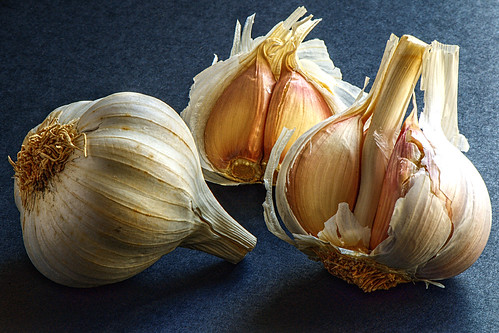
Medicinal Plant: Garlic

Bawang or Garlic (Allium sativum). Garlic has been a medicine in many cultures for thousands of years. This herb is one of the most widely used herbal medicines in the Philippines.Its medicinal properties have been proven during World War II when it was used to treat wounds and infections of soldiers. Garlic’s antibacterial compound known as allicin, prevented the wounds from being infected and developing into gangrene by extracting the juice of bawang or garlic and applying to the wounds.
Bawang or garlic is know as nature's antibiotic. Its juices inhibit the growth of fungi and viruses thus, prevent viral, yeast, and infections. This medicinal herb showed some positive results in the treatment of AIDS. Several clinical tests that followed and published studies have shown the efficacy of garlic in lowering cholesterol in the blood and is beneficial to the circulatory system of the body. Today, as more research is done on garlic, more medicinal and therapeutic properties become more evident. As of the present time, lowering of the blood pressure, reduction of platelet aggregation, and the boosting of fibrinolytic activities are among the list of herbal functions of garlic, which is supported by medical findings. Although more clinical studies are needed to support the contention stronger, marked improvements in benign breast diseases have been traced to make progress because of the regular intake of supplements, of which the primary ingredient is garlic.
The department of Heath has endoresed garlic as one of the top ten Philippine herbs with therapeutic value.
Garlic is rich in antioxidants, which help destroy free radicals -- particles that can damage cell membranes, interact with genetic material, and possibly contribute to the aging process as well as the development of a number of conditions, including heart disease and cancer. Free radicals occur naturally in the body, but environmental toxins (including ultraviolet light, radiation, cigarette smoke, and air pollution) can also increase the number of these damaging particles. Antioxidants neutralize free radicals and may reduce or even help prevent some of the damage they cause over time.
Health Benefits of Bawang-Garlic:
• Good for the heart
• Helps lower bad cholesterol levels (LDL)
• Aids in lowering blood pressure
• Remedy for arteriosclerosis
• May help prevent certain types of cancer
• Boosts immune system to fight infection
• With antioxidant & antibacterial properties
• Cough and cold remedy
• Relives sore throat
• Aids in the treatment of tuberculosis
• Helps relieve rheumatism pain
• Relief of toothaches
• Kills skin fungus i.e. athlete’s foot
• With anticoagulant properties
- Cancer (colorectal malignancies & gastric cancer)
- Bledding cases (surgeries & dental activities)
Preparation of Bawang-Garlic:
• For disinfecting wound, crush and juice the garlic bulb and apply. You may cover the afflicted area with a gauze and bandage.
• For sore throat, peal the skin and chew for several minutes. Swallow the juice.
• For toothaches, crush then bite garlic.
• For athlete’s foot, soak feet in salty water then apply garlic juice. Do this 3X day for a week.
• Cloves of garlic may be crushed and applied to affected areas to reduce the pain caused by arthritis, toothache, headache, and rheumatism.
• Decoction of the bawang bulbs and leaves are used as treatment for fever.
• For nasal congestion, steam and inhale: vinegar, chopped garlic, and water.
- Juice extracted from garlic bulbs can be used as tick and mosquito repellant when applied to skin.
Tuesday, May 31, 2011
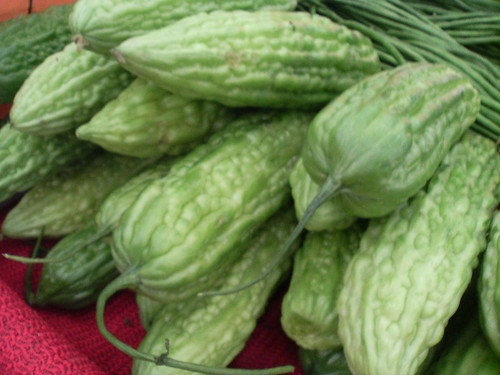
Medicinal Plant: Bitter Melon (Ampalaya)
Herbal Plant : Bitter melon (ampalaya)Ampalaya (Bitter Melon) with a scientific name Momordica charantia, it belongs to family of Cucurbitaceae.The bitter taste of the ampalaya fruit is due to the presence of a substance known as momorcidin.
Ampalaya has been a folkloric cure for Diabetes. Ampalaya contains a mixture of flavanoids and alkaloids make the Pancreas produce more insulin that controls the blood sugar in diabetics. Aside from Ampalaya's medicinal value, it is good source of vitamins A, B and C, iron, folic acid, phosphorous and calcium.
Herbal Benefits of Ampalaya:
- Diabetes
- liver problems
- HIV
- Skin diseases
- cough
- increase sterility in women
- Good for rheumatism and gout
- And diseases of the spleen and liver
- Aids in lowering blood sugar levels
- Helps in lowering blood pressure
- Relives headaches
- Disinfects and heals wounds & burns
- Can be used as a cough & fever remedy
- Treatment of intestinal worms, diarrhea
- Helps prevent some types of cancer
- Enhances immune system to fight infection
- For treatment of hemorrhoids
- Is an antioxidant and parasiticide
- Is antibacterial and antipyretic
Preparation & Use of Ampalaya:
• For coughs, fever, worms, diarrhea, diabetes, juice Ampalaya leaves and drink a spoonful daily.
• For other ailments, the fruit and leaves can both be juiced and taken orally.
• For headaches wounds, burns and skin diseases, apply warmed leaves to afflicted area.
• Powdered leaves, and the root decoction, may be used as stringent and applied to treat hemorrhoids.
• Internal parasites are proven to be expelled when the ampalaya juice, made from its leaves, is extracted. The ampalaya juice, and grounded seeds is to be taken one spoonful thrice a day, which also treats diarrhea, dysentery, and chronic colitis.
Thursday, May 19, 2011
Medicinal Plant: Ringworm Bush (Cassia alata)
Names: katanda, andadasi, palochina, akapulko, Bayabas-bayabasan and ringworm bush

This herbal medicine is used to treat ringworms and skin fungal infections.The shrub belongs to the family of Leguminosae, and grows about one to two meters tall. A medicinal herb that contains chrysophanic acid, a fungicide used to treat fungal infections, like ringworms, scabies, and eczema. Akapulko also contains saponin, a laxative that is useful in expelling intestinal parasites.The extracts from the The medicinal plant: Akapulko plant is commonly used as an ingredient for lotions, soaps, and shampoos.
It is considered by the Department of Health as one of the top ten herbal plant in the Philippines.
Medicinal Uses:
- Ringworm
- Tinea Infections
- Eczema
- Insect bites
- Scabies
- Itchiness
-cough & fever
-Asthma
- Vermicide
- laxative to expel intestinal paasite and other stomach problems
Preparation and Use:
- The leaf may be squeezed and applied over the ringworm patches.
- Soak and boil the leaves for 10 ro 15 minutes for cought and as vermicide, as well as for mouthwash, stringent, and wash for eczema.
Labels:
Alternative Medicine,
Asthma,
Eczema,
Fever,
Herbal Medication,
Medicinal Plant,
Ringworm
Subscribe to:
Posts (Atom)